
Key points
- There are only three dials: the number of guests, the spend per guest, and seat occupancy. Everything else feeds one of them.
- The average spend is the fastest lever: no budget needed, only a reworked menu and a team that asks.
- One extra table an evening is worth 831 euros a month at a 32-euro spend and six opening days.
- Winning a past guest back costs five to seven times less than acquiring a new one.
- If the kitchen is already at its limit, more revenue makes the problem bigger, not smaller.
1. Three dials, and there are no others
Revenue is the product of three numbers: how many guests arrive, how much each of them spends, and how often a seat is used over an evening. If you want to increase restaurant revenue, you have to turn at least one of them. A booking system, Instagram, vouchers, a new menu: everything feeds exactly one of those three.
That has a practical consequence: before any measure, you can work out what it has to return to pay for itself. And you quickly notice that the most expensive dial, more guests, is rarely the one to turn first.
2. Lever 1: The average spend
The spend is the fastest lever: no budget needed, and it works from next week. Two euros more per guest sounds like nothing. Across 80 guests on six evenings that is roughly 4,157 euros a month. Without a single additional guest.
Those two euros come from three places:
- The menu: your three highest-margin dishes belong at the top right, not at the bottom among the sides.
- The team: “A water with that?” is service, not a sales trick. Deliberate upselling lifts the spend by 15 to 25 per cent depending on the venue.
- The timing: dessert is offered while plates are cleared, not once the first guests reach for their coats.
One thing gets confused here. The spend does not rise because dishes get more expensive, but because more items end up on the bill.
3. Lever 2: The empty evenings
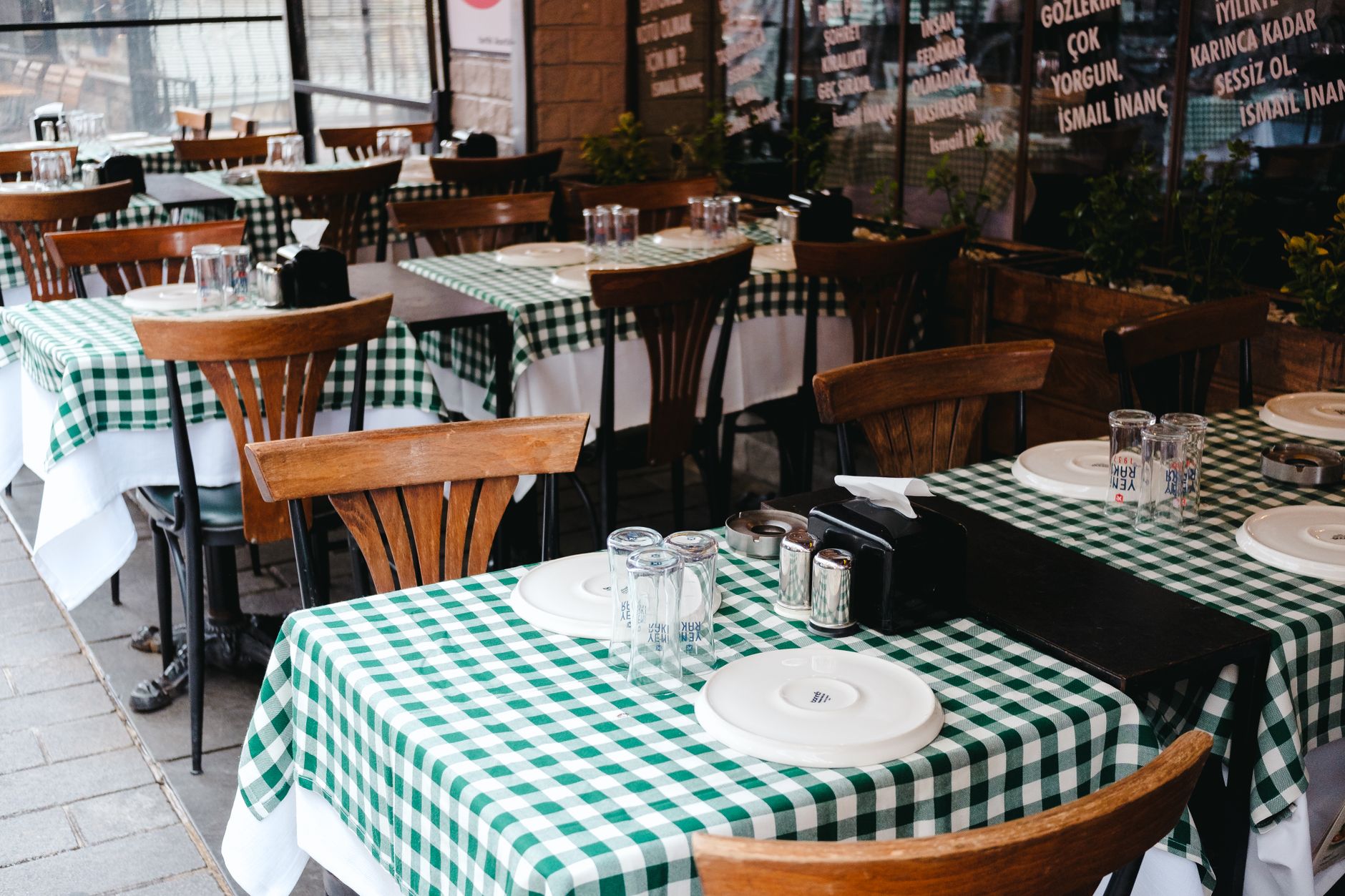
Most restaurants do not have a revenue problem on Saturday. They have one on Tuesday. An empty table is revenue lost for good. Unlike unsold stock, it cannot be offered again the next day.
Run the numbers for your own house. At a spend of 32 euros per table and six opening days, one extra occupied table per evening brings 831 euros a month. Three empty tables cost around 2,494 euros a month, close to 30,000 euros a year.
What helps is a reason to come on the weak days rather than discounts across the whole week: a fixed Wednesday evening with a theme, a lunch offer the offices nearby know about, a regulars' table for a room nobody else books. What does not help: 20 per cent off everything. That lowers the spend on the days that were selling anyway.
4. Lever 3: Guests who come back
Winning back a guest who has already been in costs five to seven times less than acquiring a new one. Even so, in most venues the budget goes entirely to people who have never walked through the door.
Three things help here and cost almost nothing:
- A WhatsApp list carrying the daily menu that guests sign up to themselves.
- Noting the name and the occasion on every booking. A guest greeted by name on the second visit comes a third time.
- Replying to every Google review, the uncomfortable ones included. A calm reply to a one-star convinces onlookers more than ten unanswered five-star ratings.
5. Lever 4: Being found at all
The first three levers work on guests who know you. At some point you need new ones. The cheapest route there is your Google Business Profile: free, and for most venues the very first point of contact. Anyone typing “restaurant near me” gets three local results above the map. A venue that is not among them does not exist for that search. The detail is in our piece on local SEO for hospitality.
Social media comes after that, not before. Seven in ten guests decide there where they book, but only if the profile convinces within three seconds. What that involves is covered under our services.
6. Lever 5: The right order
The fifth lever is not a channel. It is the order. The spend first, because it works immediately and costs nothing. Then the weak days, where the largest unused capacity sits. Then your regulars, the cheapest people to reach. New guests last, because that takes longest and is the only step that ties up budget.
Start with advertising instead, and you pay for guests to see a menu nobody has worked on yet, on days that were already full. For figures to hold your own against, the DEHOGA federal association publishes updated data regularly.
7. When more revenue will not fix it
One honest paragraph to close. If the kitchen is too slow, if service makes mistakes under pressure, or if food costs are running away, more revenue makes all of it worse. Full tables with a poor experience produce reviews you carry for months.
So check one question first: could you serve one additional full evening a week properly? If not, your first lever is not marketing but staffing and process. You do not need an agency then. You need a quiet week with your head chef.
8. Frequently asked questions
How can I increase restaurant revenue in the short term?
Through the average spend. Move your highest-margin dishes to the top of the menu, brief the team on two questions, offer dessert while clearing the table. That costs nothing and works within two weeks. Anything meant to bring new guests takes longer and takes money.
How much is one extra table per evening worth?
At a spend of 32 euros per table and six opening days, 831 euros a month and 9,976 euros a year. At 40 euros per table it is 1,039 euros a month. Three empty tables an evening cost around 2,494 euros monthly.
Should I raise prices?
Yes, but not evenly. Raise them where the margin is good and price sensitivity is low: drinks, sides, desserts. On main courses guests look more closely. Raise them once a year properly rather than every quarter in ten-cent steps.
Are discounts and vouchers worth it?
Vouchers yes, blanket discounts rarely. A voucher brings money today for a service later, and a share is never redeemed. A discount on everything lowers the spend of guests who would have paid full price. If you discount, confine it to your weak days.
What delivers more: more guests or a higher spend?
Almost always the spend, because it costs nothing and needs no spare capacity. Two euros more per guest across 80 guests on six evenings is roughly 4,157 euros a month. Ten additional guests a week come to only 1,386 euros.